Bipolar Disorder Treatment in New Hampshire

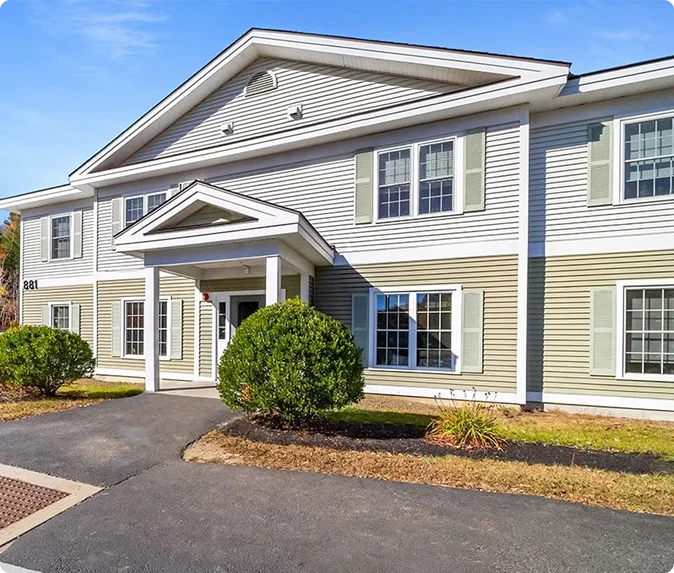
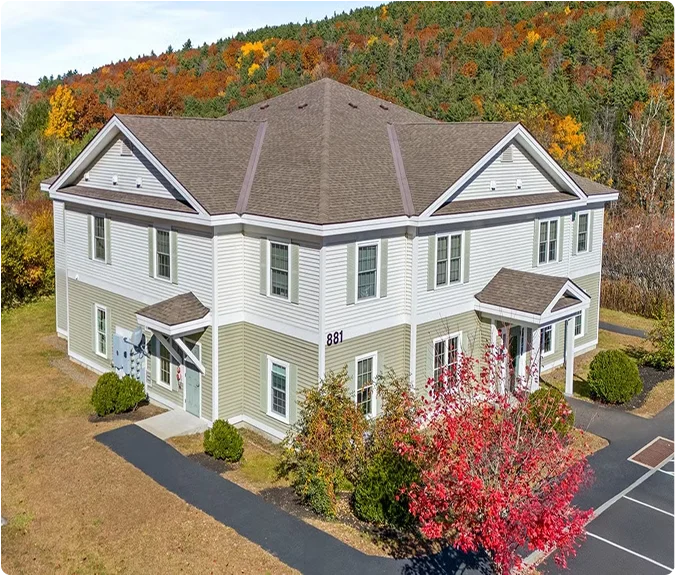
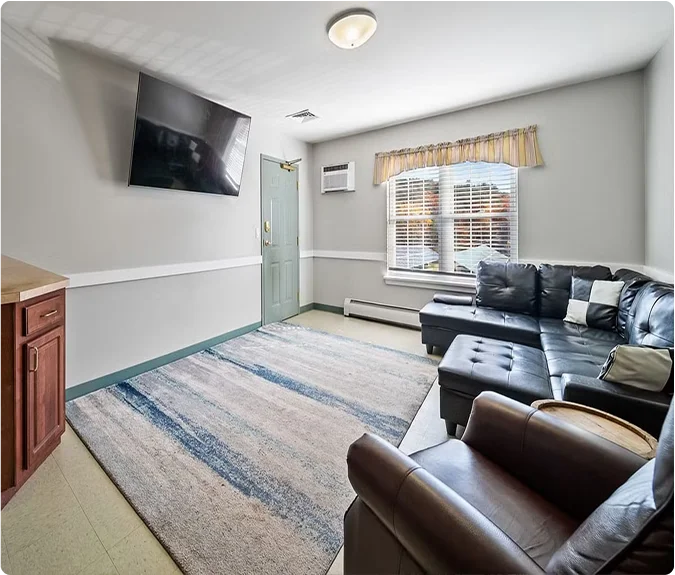
At Live Free Behavioral Health in Keene, NH, you’ll get structured, evidence-based care to stabilize your mood, rebuild your confidence, and plan for life post-treatment. You’ll stay in a healing, residential setting with 24/7 support and daily therapeutic activities.

What Is Bipolar Disorder?

Bipolar disorder is a mood condition that causes shifts in energy, sleep, and behavior. These changes are greater and longer-lasting than everyday ups and downs and often need professional care.

Bipolar Disorder Symptoms

  • Feeling drained, hopeless, or unable to get out of bed
  • Going days with little sleep but still feeling wired or restless
  • Finding it harder to manage work, school, and relationships
  • Mood swings from very “up” to very low, sometimes without warning
  • Speaking faster, feeling more irritable, or acting on impulses you later regret

What Causes Bipolar Disorder?

Genetics: Certain inherited traits may make your brain more sensitive to mood swings.

Brain Chemistry: Changes in how your brain uses mood-related chemicals can affect energy, sleep, and thinking.

Life Stress and Trauma: Loss, conflict, abuse, or ongoing stress can trigger or worsen episodes.

Substance Use: Alcohol and drug use can intensify symptoms, trigger episodes, or interfere with medications.

With the right care, you can learn to manage triggers, protect your sleep, and build a plan that helps keep your mood more stable over time.

Why Choose Live Free Behavioral Health

Family Involvement From Day One: Education, family therapy sessions, and regular updates so loved ones can support your well-being

Whole-Person Care Approach: Therapy, medication support, and wellness practices to stabilize mood and strengthen resilience

Individualized Treatment Plans: Care with your goals, proven therapies, and aftercare that make sense for you

Life Design Empowerment: Practical roadmap for life after treatment, including coping strategies, supports, and healthy daily habits

Types of Bipolar Disorder

Clinicians use The Diagnostic and Statistical Manual of Mental Disorders, Fifth Edition, Text Revision (DSM-5-TR) to diagnose bipolar and related disorders (APA, 2022). The main types of bipolar disorder include:

Bipolar I Disorder

At least one full manic episode. Mania can include very high energy, racing thoughts, little need for sleep, risky behavior, depressive episodes, or psychosis.

Bipolar II Disorder

Hypomanic episodes (a less intense form of mania) and clear depressive episodes. Hypomania can still disrupt sleep, judgment, and relationships.

Cyclothymic Disorder and Other Forms

Long-lasting mood swings that don’t meet the full criteria for bipolar I or II. These patterns can still affect work, relationships, and self-esteem.

Our Inpatient Bipolar Disorder Treatment Approach

Evidence-Based Therapies for Bipolar Disorder

You’ll receive individual therapy to understand your mood patterns, triggers, and warning signs. Skills-based groups focused on CBT and DBT principles so you can manage thoughts, emotions, and behavior. Psychoeducation allows you to understand your condition.

Bipolar Disorder Medication and Mood Stabilizers

With tailored medication management alongside therapy, you’ll meet regularly with psychiatric providers. They’ll review your current diagnosis, medications, and past responses. If needed, your provider will make safe adjustments and watch for side effects.

Whole-Person Wellness and Life Design

Beyond symptom control, you experience support to rebuild daily life. This can include routine-building, movement, nature-based activities, and grounding. Life design sessions and aftercare services help you set goals, plan next steps, and practice coping skills.

Support for Co-Occurring Substance Use

If you’re also dealing with alcohol or drug use, you’ll receive an integrated dual diagnosis plan that addresses both bipolar symptoms and substance use at the same time. Your team will help you find the right level of ongoing care after discharge.

Signs You May Need Structured Bipolar Disorder Treatment

If you or your loved one experiences the following, professional support is advised:

Using substances to try to manage bipolar symptoms

Having mood swings that cause safety concerns for you or others

Going through recent hospitalizations related to mood or behavior

Requiring more support than outpatient therapy and medication alone

Needing a reset in a stable, structured environment away from daily triggers

Our Network of Accepted Insurance Providers

We accept many major insurance providers to help reduce the cost of care. Our team can check your benefits and walk you through your options privately and quickly.

Our Admission Process

Getting started is easier than you think. We’ve designed our admissions process to be fast, respectful, and stress-free. From your first call, we’re here to support and guide you.

Step 1

Call or complete our online form

Step 2

Connect with an admissions coordinator

Step 3

Complete your private assessment

Step 4

We determine which level of care suits your needs

Step 5

We verify insurance and explain the next steps

Step 6

You receive your admission date and packing info

Our team is available 24/7 to answer questions or talk things through.

Client Testimonials

Hear from people who’ve walked this path and found real change.

Thank you to all the staff at live free residential for helping me get to where I am now. I am so appreciative to them helping me jump start my life. They have amazing counselors and staff who helped me with all my aftercare needs. I am so grateful for this program!!!!!!

-M

This place is awesome! The staff is great! They’re caring, compassionate, and empathetic. They treat each resident individually to meet each of their needs. 24 hr nursing staff helps with each residents detox needs. They also help with after care plans and placement back into the community. Peers also are very supportive to eachother, I highly recommend live free recovery to anyone looking for help with addiction.

-R

The facility and staff were extremely helpful and accommodating with my detox. It was a calm environment and the nurses were always available to meet whatever needs I had to help me transition. I would highly recommend coming here if you are looking for help with any addiction.

-L

Virtual Tour of Our Mental Health Treatment Center

Ready to Reclaim Your Life? Contact Our Care Specialists

At Live Free Behavioral Health in NH, we ensure a clear, supportive path forward to help comfortably manage bipolar disorder. Our team will listen to your story, answer your questions, verify insurance, and help you choose the right time to admit. Reach out to find out more about our inpatient treatment program.

[gravityform id="2" title="true"]

FAQs About Bipolar Disorder Treatment

What is the difference between bipolar I vs. bipolar II?

Bipolar I includes at least one full manic episode, which may require hospital care. Bipolar II involves hypomanic episodes and depressive episodes, which can be just as disruptive but look less extreme from the outside. Both types are serious and deserve treatment.

Length of stay depends on your symptoms, safety needs, and progress. Some people stabilize in a few weeks, while others benefit from a longer stay with more time to practice skills and adjust medication.

Your team will review your current prescriptions during admission. In some cases, you’ll continue them; in others, doses or medications may change. Any shift is monitored closely and explained so you know what to expect.

Before discharge, you’ll receive a detailed aftercare plan. This may include outpatient therapy, psychiatry appointments, community supports, or step-down programs so you’re not leaving without a roadmap.

Our Mental Health Resources

Get to know our experienced staff members who bring both clinical expertise and personal insight to the recovery journey.

See published content about our innovative approach to treatment and our impact in New Hampshire communities.

Access helpful tips and expert-backed mental health information. Explore insights into different conditions and advice for ongoing recovery.